Yes, I think so.Ceanothus would be great for the south east since they’ll survive a drought, but when I see them in the garden centres, they don’t have the small leaves like the ones I’m used to like Gary’s. How did you kill yours Malc? Too much water?
The recommendation here is to water them the first year after planting and then never again. They evolved to withstand summer drought and depend on dry summers. Even so, not particularly long lived.Yes, I think so.
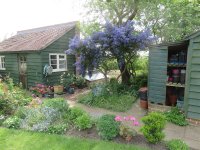
I imagine ours is the same as it looks identical. It's grown big enough to just about block one access to the veggie garden, but our last one dropped dead overnight, and this one is about 10 yearts old, so I expect it will be gone soon. We'll enjoy it whilst it lasts, though, as it's stunning.From our front garden today. Several species of Ceanothus are native to California and Oregon where they are sometimes known California Lilac. Incredible color. This is a hybrid called "Dark Star" .We planted it about 9 years ago. Pollinators love it. With some variety of azalea in the background. View attachment 33278

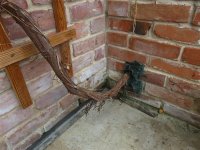
How's the vine going into the potting shed getting on Mike...?I imagine ours is the same as it looks identical. It's grown big enough to just about block one access to the veggie garden, but our last one dropped dead overnight, and this one is about 10 yearts old, so I expect it will be gone soon. We'll enjoy it whilst it lasts, though, as it's stunning.
View attachment 33366
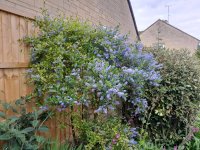
What does reverted mean in this context Brian?Here's my neighbour's ceanothus:-
View attachment 33373
As you can see, it's a partially reverted variegated version, possibly Zanzibar. Note how the blooms on the reverted branches are much bigger.
Brian
Variegated shrubs and trees are clones which have a genetic disorder as compared with the basic species. They retain the ability to throw out new growth true to their natural parentage. This phenomenon is referred to as reversion, ie reverting to basic.What does reverted mean in this context Brian?